Spay and Neuter Procedures at Prairieville Animal Hospital: What to Expect
The moment you bring a pet into Prairieville Animal Hospital, you feel the weight of responsibility that comes with pet ownership. Spay and neuter procedures are among the most routine, but they carry real emotional and practical implications for you and your animal companion. Over the years, I’ve watched families move from hesitation to relief as their animals recover and settle into calmer, healthier lives. This article threads together practical expectations with the lived realities of our clinic floor. It avoids glossy promises and instead offers concrete, field-tested guidance drawn from daily practice.
What the decision looks like in real life
Spay and neuter are not simply about population control, although that is a significant societal benefit. They are also about reducing certain health risks, improving behavior in some cases, and making routine veterinary care more predictable for you. At Prairieville Animal Hospital, we approach these procedures with a blend of precision and compassion. The operating room is calm, the anesthesia team is meticulous, and the recovery area is designed to minimize stress for the patient. The goal is straightforward: minimize pain, reduce risk, and get your pet back to the people and routines they love as quickly and safely as possible.
When you call to schedule, you’ll notice two realities at once. First, timing matters. We work to fit your pet’s age, weight, medical history, and vaccination status into a plan that minimizes fasting time and anesthesia exposure. Second, there is the human element. You’ll speak with a receptionist who understands how a preoperative call can spark questions about riding along, about post-anesthetic behavior, or about whether a pre-surgical exam is needed. That combination—clinical precision and personalized guidance—defines the Prairieville experience.
Preoperative realities and practical pet checkup prairieville prep
Preparing for surgery begins at home, but we also have a short, efficient checklist that helps families feel confident. For most healthy cats and dogs, the day of surgery is simple on the surface but crucial in its details.
First, there is the health screen. We’ll review your pet’s medical history and perform a quick physical exam on the morning of the procedure. If anything looks outside the expected range—say, a higher than usual heart rate or signs of dehydration—the team will pause to reassess. This isn’t alarmism, just prudent care. Sometimes a pet is a little under the weather. In those cases, rescheduling or adjusting the anesthesia plan is the safer route.
Next comes the fasting requirement. In general, we ask that pets fast for a window that reduces the risk of anesthesia complications. For most dogs and cats, this means no food after midnight if the appointment is early in the day. Water is usually allowed, but your veterinarian may tailor this to your pet’s needs. The exact instructions will come from the team, and you should follow them closely. It sounds simple, yet it matters. A small deviation can complicate the procedure or extend recovery time.
On the practical side, owners often bring familiar comforts to the clinic. A favorite blanket, a soft toy, or a familiar vest can help an anxious dog or cat feel grounded in an unfamiliar environment. We watch for how stress manifests in different animals. Some want to curl up and sleep, others pace, and a few show subtle changes in appetite or behavior. It’s not a single pattern, which is why we encourage you to share observations beyond what’s on the medical chart. A dog that usually ignores treats might suddenly show interest again after a day or two post-surgery. A cat that rarely purrs might emit a soft rumble when held close in recovery. Small signals like these inform the care team about comfort levels and potential pain.
The day of the procedure is a careful balance between speed and safety. We have a dedicated surgical suite with real-time monitoring. A licensed veterinarian and trained technicians handle anesthesia with protocols that reflect the latest standards while honoring the individual temperament and health of your pet. The anesthesia plan isn’t abstract; it’s anchored to age, species, expected weight, and any preexisting conditions. The goal is to deliver reliable sedation that keeps your pet still and comfortable, with continuous monitoring of heart rate, respiration, temperature, and blood oxygen levels. In our clinic, the monitoring equipment looks like a quiet constellation around the patient. The purpose is not spectacle but assurance: every measure is recorded, every fluctuation noticed, every change acted upon.
What happens during the procedure
Spay and neuter at Prairieville Animal Hospital share core steps, but the exact sequence may vary with species and the pet’s unique anatomy. What remains consistent is a focus on minimizing tissue trauma, controlling bleeding, and ensuring swift recovery.
For a spay in a female patient, the surgeon makes a careful abdominal incision to access the ovaries and uterus. The tissue is gently handled, and the vessels are ligated to prevent bleeding. The uterus and ovaries are removed in a way that keeps surrounding tissues intact, reducing postoperative discomfort and shortening recovery times. The incision is closed with sutures that may be internal or external, depending on the surgeon’s assessment and your pet’s healing plan. It’s common for pets to leave the clinic with a protective cone or an alternative device designed to prevent licking, which can disrupt the incision.
A neuter for a male patient involves removal of the testicles through a scrotal or abdominal approach. The goal is to minimize tissue disruption, seal blood vessels effectively, and close the incision such that discomfort is manageable once the anesthesia wears off. The exact technique is determined by the veterinarian based on the animal’s size, anatomy, and any prior surgical history. In both cases, the team prioritizes pain control, often combining short-acting analgesics with longer-acting formulations to cover the first 24 to 48 hours.
Recovery is the true test of a successful procedure. The immediate aftermath is quiet, with the pet waking from anesthesia and slowly returning to consciousness. Many pets stretch, yawn, and shake off the residual effects of the anesthetic within an hour or two. The recovery area is set up to be calm and dim, with soft lighting and minimal noise. Temperature is monitored because some animals feel chilled as they come out of anesthesia. If you’ve brought a blanket or a familiar toy, you’ll often notice how comforting it can be for a pet regaining awareness.
Pain management is not an afterthought. We tailor analgesia to the individual, aiming to prevent discomfort rather than manage it after it becomes noticeable. In practical terms, that means a combination of preoperative analgesics, intraoperative pain control, and postoperative medications that fit your home routine. Clear, written discharge instructions accompany every pet. They detail how to administer medications, what signs to watch for, and when to seek urgent care. The aim is to empower you to participate actively in recovery rather than feeling left in the dark.
Discharge and what you should expect at home
Discharge day is a mix of relief and responsibility. You’ll receive written instructions and a quick briefing from the veterinary team. The instructions will address several key areas: activity restrictions, wound care, appetite expectations, and signs of potential complications. A quiet, gentle home environment helps during the first 24 to 72 hours. For most pets, it is enough to give them a calm space, a small controlled meal, and access to water. Too much activity, especially for dogs, can stress the incision and lead to bruising or swelling. For cats, chasing or sprinting may be limited by the effect of anesthesia and the natural instinct to explore, which can be risky immediately after surgery.
Dietary notes are simple yet important. A light meal after waking from anesthesia is common, followed by a return to normal feeding within 12 to 24 hours if there are no signs of nausea. Some pets experience mild gastrointestinal upset in the first day or two. The advice is practical: if your pet vomits once and seems otherwise comfortable, you can resume a normal schedule after a short rest. If vomiting persists or if there is persistent diarrhea, contact the clinic. This is not cause for panic, but it is a signal that an adjustment in care or additional evaluation could be necessary.
You’ll also hear about activity restrictions. For dogs, a leash and a gradual return to regular exercise are typical. Some clinics recommend no vigorous activities for 7 to 10 days. For cats, limiting jumping on furniture and stair use can help their incision stay clean and dry. The length of restrictions depends on the surgical site, size of the patient, and how well the incision is healing. Your veterinarian will tailor the plan and check in with you within the first few days after the procedure to ensure healing is on track.
One of the most important moments after discharge is recognizing and responding to potential complications. It is a small but real list: excessive swelling at the incision site, any opening of the wound, persistent vomiting or a prolonged refusal to eat, lethargy, difficulty breathing, or signs of pain that do not respond to prescribed medications. If you observe any of these signals, you should contact Prairieville Animal Hospital promptly. We operate on the principle that early detection often prevents more serious outcomes, and you will find the clinic’s doors open to answer questions or adjust the post-operative plan as needed.
Behavioral changes post-surgery
Behavior can shift in the weeks following spay or neuter, and not always in predictable ways. Some owners notice calmer temperaments in dogs who had preoperative anxiety or high stimulation levels related to breeding behaviors. In cats, the changes can range from more restful sleep patterns to altered play styles. The underlying reason is physiological shifts associated with hormonal changes, but the visible effects are often expressed in everyday routines like play, curiosity, or interactions with other pets and family members.
Anecdotally, we see a wide spectrum. A terrier mix may become less nippy after surgery, an older Labrador may show improved willingness to settle near the family in the evenings, and a resident cat might transition from constant arousal to more balanced, daytime activity. These shifts happen gradually, and owners who observe them often report a smoother adjustment when they maintain consistent routines and transitions. It’s not about forcing a pet into a new temperament; it’s about creating an environment where the natural changes can unfold calmly and safely.
Postoperative care in practical terms
The day-to-day reality of recovery is often the most meaningful part of the journey. Here are a few practical touchpoints practical owners report as they navigate the first week after surgery.
First, keep the incision clean and dry. Unless your vet advises otherwise, avoid bathing your pet for a few days to prevent moisture from seeping into the wound. A light cleaning with a damp cloth around the area is fine if you notice dirt or discharge, but do not scrub the incision site. If you see crusting or dried blood on the wound, you should contact the clinic for guidance. Do not apply antibiotic ointments or other medications unless instructed by a veterinarian. Some infections become evident only after a few days, so timely communication is important.
Second, monitor behavior closely. A pet that normally loves to play might show reluctance to move or a slower pace as the anesthesia wanes. This is expected to a degree, but persistent lethargy beyond 48 hours, refusal to drink water, or ongoing pain signals require a check-in with the clinic. We have found that consistent, gentle routines help pets recover faster. Short, controlled walks for dogs and safe, supervised indoor exploration for cats can prevent boredom while protecting the healing incision.
Third, manage pain with the plan you were given. If you were prescribed a pain reliever or anti-inflammatory, give it exactly as directed. Do not skip doses because the pet seems to feel better. Pain management is most effective when the medications are continued for the full recommended duration, even if the animal appears comfortable in between doses. If your pet shows signs of distress or discomfort that you cannot manage at home, contact Prairieville Animal Hospital. We can adjust dosing or provide alternatives to ensure your pet remains comfortable.
Fourth, watch for appetite changes and hydration. A smaller appetite in the first day or two is common, particularly after anesthesia. Offering small, easily digestible meals can encourage eating. Hydration is essential, especially after a surgical procedure. If your pet refuses water for more than a day or shows signs of dehydration such as dry gums or lethargy, seek guidance from the clinic. The team can advise you on techniques to entice drinking, such as offering water or low-sodium broth in small amounts or offering wet food if your pet typically eats dry kibble.
Fifth, understand your pet’s social dynamics. If you share living space with other animals, you may need to manage introductions and space for a few days. Some animals will tolerate the quiet recovery phase and resume normal interactions quickly, while others may be more irritable or anxious. Observing social cues is essential. A little extra space can prevent conflicts and protect the healing incision. The clinic can provide tips on how to structure a small, calm period of introspection for all involved.
Edge cases and what we’ve learned over years of practice
No two surgeries are identical, and no recovery follows a flawless script. There are edge cases that remind us why experienced hands matter in every step of the process.
Consider the smaller patient, a cat under 2 kilograms or a dog weighing under five pounds. Anesthesia and incision size increase the relative risk in these patients. The team may adjust dosing and monitoring to reflect the increased sensitivity. In practice, this means more careful temperature control, slower recovery pacing, and clearer instructions for at-home care. The same attention applies to older pets with preexisting conditions such as mild heart disease or chronic kidney issues. In those scenarios, preoperative anesthetic risk is weighed against the benefits of the procedure, and the plan is tailored to minimize risk while maintaining the best possible outcome.
Another nuance is the timing of the procedure in a multi-pet household. If you have several animals scheduled around the same time, the clinic can align preoperative and postoperative days to minimize stress for your human family and for the animals. This approach reduces the number of times your pet experiences a hospital stay and supports a smoother recovery. It’s a practical way to balance the realities of everyday life with medical care.
What you should expect from Prairieville Animal Hospital
The core promise is straightforward: we treat spay and neuter as a medical service delivered with empathy, backed by evidence, and supported by a robust aftercare framework. You are not merely dropping off a pet; you are engaging in a collaborative care plan that involves you, the pet, and the veterinary team.
On the clinical side, you can rely on a surgeon who has performed hundreds of spay and neuter procedures across breeds and sizes. The anesthesia team maintains continuous monitoring, and the recovery staff ensures that your pet is comfortable and supervised as they awaken. The facility is designed to minimize stress: quiet recovery rooms, dim lighting, soft blankets, and a team that speaks in calm, clear tones rather than rushed whispers.
From the client experience perspective, Prairieville Animal Hospital aims to be accessible. If you have questions after discharge, you have a direct line to a clinician who can address concerns promptly. A well-executed postoperative plan is not a one-size-fits-all script; it is a living, adaptive process that respects your pet’s pace of healing and your family’s routines.
The value of choosing a veterinary clinic prairievilleanimalhospital.com
Choosing a veterinary clinic is as much about trust as it is about skill. Prairieville Animal Hospital has built its practice on a combination of technical competence and genuine client communication. You will find a team that takes time to explain the rationale behind anesthesia choices, discusses potential side effects candidly, and presents recovery expectations with precision. The clinic’s approach to spay and neuter is anchored in patient health first, but it also recognizes the emotional dimension of letting go for a few hours and the relief that comes with predictable outcomes.
The conversation around vaccination status and wellness exams often intersects with spay and neuter planning. A well-timed pet wellness exam can identify risk factors that influence the anesthesia plan or recovery trajectory. For instance, a simple screening for dental health can inform postoperative comfort strategies, given the mouth is involved in retrieval and care signals during recovery. The same attention to detail applies to dental care plans in the broader context of overall pet health.
Beyond the day of the surgery, the clinic’s ongoing engagement with pet owners matters a great deal. You’re not left with a single discharge sheet. You receive an actionable roadmap that points you toward reliable follow-up visits, weight monitoring, vaccination milestones, and behavior checks. This continuity makes a tangible difference in outcomes, particularly for younger pets that are still growing and evolving, and for older pets who may have additional considerations in their recovery.
Two practical lists you can rely on
To keep the information digestible and actionable, here are two concise checklists drawn from practical experience with spay and neuter procedures. They are designed to be used as a quick reference in the days surrounding the procedure.
-
Day of procedure essentials
-
Confirm preoperative instructions and fasting window with the clinic
-
Bring a familiar blanket or toy to reduce anxiety in recovery
-
Prepare a quiet, comfortable space at home for the first 24 to 72 hours
-
Schedule a brief post-op check-in with the clinic to review signs of recovery
-
Secure a cone or protective device if advised by the team to prevent licking
-
Postoperative care basics
-
Follow the prescribed pain management plan exactly as directed
-
Monitor the incision for swelling, redness, or discharge and contact the clinic if observed
-
Limit activity according to the veterinarian’s guidance, avoiding leaps and rough play
-
Offer small, frequent meals and ensure continuous access to fresh water
-
Reach out promptly for questions or concerns, especially if the pet experiences vomiting, inability to stand, or signs of distress
A closing note on value and trust
Spay and neuter at Prairieville Animal Hospital is more than a medical procedure. It is a collaborative moment between you and a team that has walked this road many times, with countless pets who entered and emerged healthier and more balanced. The emotional load of entrusting someone else with a beloved family member is real. The confidence that comes from knowing you have chosen a clinic with clear protocols, transparent communication, and steady hands can be a relief in itself.
If you are weighing the decision, or if you are already set on moving forward, consider the practical steps: confirm the anesthesia plan in advance, ask about post-operative pain management, discuss expected recovery timelines for your specific pet, and make sure you have a reliable plan for meals, water, and monitoring at home. All of these pieces come together to shape a recovery that feels straightforward and safe, even in the hands of a busy family.
For families who have never navigated this terrain, the information above will likely resonate as both reassurance and realism. For those who have lived through similar experiences, the commentary will hopefully echo and validate the practical choices you make in the weeks after surgery. At Prairieville Animal Hospital, the aim is to make the journey as smooth as possible while staying firmly grounded in veterinary best practices and real-world application.
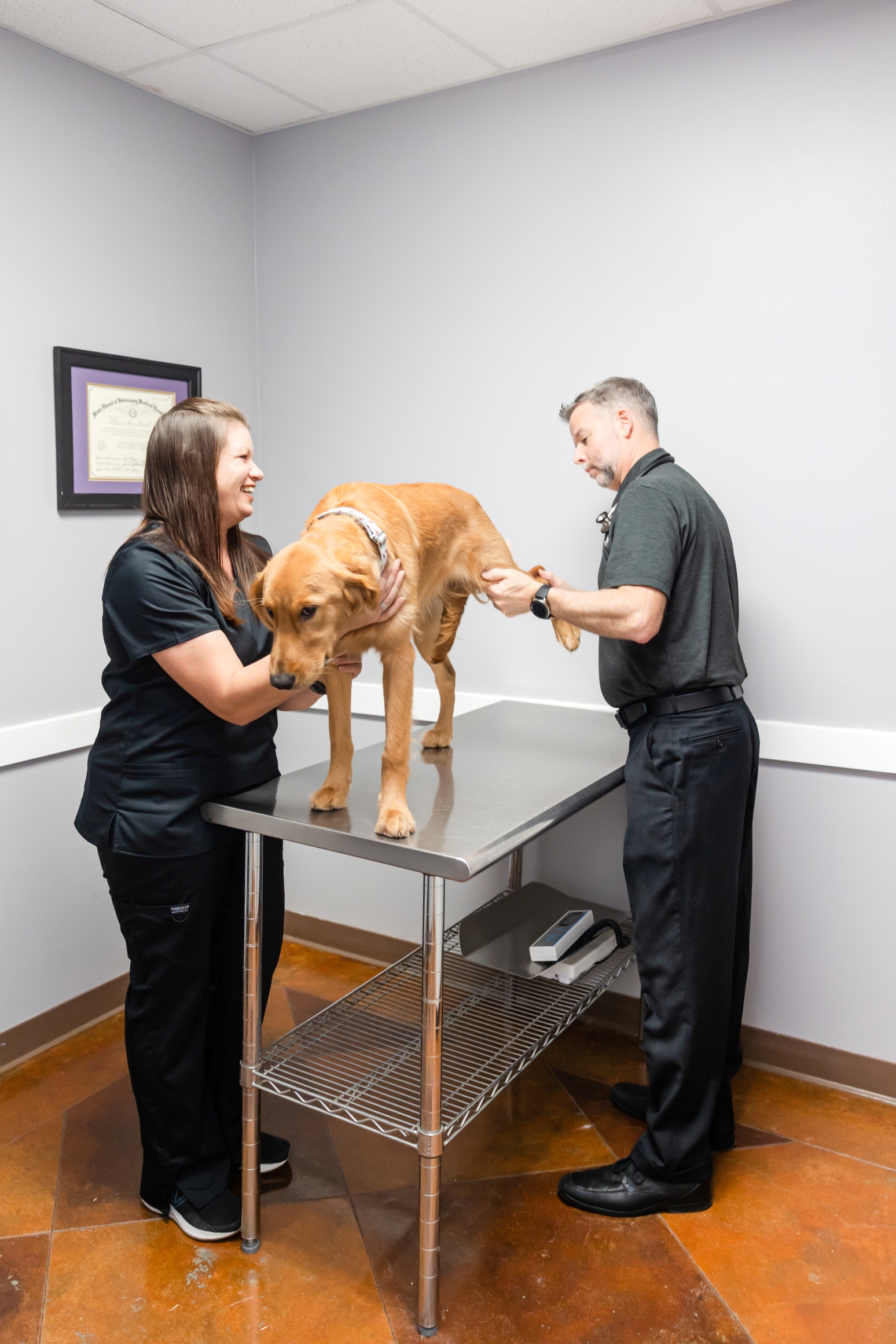
If you want to explore more about spay and neuter procedures and related services, Prairieville Animal Hospital remains a resource you can rely on. The clinic’s emphasis on wellness exams, vaccinations for pets, and general pet care complements the surgical services, building a comprehensive program designed to keep pets healthy across their lifetimes. A visit to the clinic page at prairievilleanimalhospital.com will provide the latest details on scheduling, pricing, and the team behind every successful procedure. The relationship between a pet and its family is built on trust, and the clinic aims to honor that trust with every case that comes through its doors.