Spay and Neuter: Prairieville Animal Hospital's Protocols
Prairieville Animal Hospital has built its spay and neuter program on years of hands-on practice, careful observation, and a steady commitment to reducing animal suffering. The team I’ve had the privilege to work with over the years balances surgical precision with practical compassion. This is not a sterile checklist exercise; it is a living protocol that adapts to the needs of every patient who walks through the door. The basics are straightforward: we want healthy pets, safer communities, and more predictable outcomes for families. But the path from intake to recovery is anything but simple. It rests on good preoperative assessment, refined anesthesia, meticulous surgical technique, and thoughtful postoperative care.
I walk through the clinic corridors and hear the hum of activity that comes with a busy practice. There are mornings when the waiting room is full of anxious pet guardians and tails that wag with hopeful energy. There are afternoons when the surgical schedule threads together like a careful tapestry, each case informing the next. Our spay and neuter protocols are not grand proclamations; they are a tapestry of small decisions, each aimed at minimizing risk and maximizing comfort for the animals in our care.
A practical starting point is the clinic’s philosophy: spay and neuter is not a single moment in the operating room. It is a comprehensive process that begins with screening and ends, sometimes days later, with a confident post-op recovery. At Prairieville Animal Hospital, we recognize three core aims. First, the procedure itself must be safe and efficient for the specific patient. Second, the perioperative period must be predictable in terms of pain control and monitoring. Third, the patient should leave the hospital with clear, achievable guidance for home care that protects healing and reduces the chance of complications.
From the outset, families often ask how we determine readiness for surgery. The answer hinges on a practical assessment of health status and age. For cats and dogs, even routine procedures carry some risk, particularly when there are underlying conditions such as mild heart murmurs, respiratory issues, or recent illnesses that could affect anesthesia. The exam room is a quiet space where we check vital signs, review medical history, and confirm current medications. We do not rely on a single test to clear a patient for anesthesia; instead, we follow a layered approach. A brief physical examination is paired with a review of the animal’s temperament and previous surgical experiences, if any. In some cases, we may request a preoperative blood panel to screen organ function and erythrocyte counts. The goal is not to over-test, but to reduce surprises in the operating room.
Anesthesia is the next cornerstone. Prairieville Animal Hospital uses protocols designed to reduce stress for the patient while ensuring that anesthesia is deep enough to be safe but shallow enough to minimize recovery time. The team tailors anesthesia to the individual, adjusting dosages for body weight, age, and concurrent health status. For younger, healthier animals, induction may be swift, with the aim of smooth recovery and minimal residual sedation. For older or medically delicate patients, we lean on a more cautious plan that might involve additional monitoring or a staged approach when warranted. The reality is that anesthesia is a spectrum rather than a single fixed protocol. The personnel on the floor monitor heart rate, respiratory rate, oxygen saturation, and temperature continuously. If anything looks off, the plan shifts on the spot. This is where the value of experience reveals itself.
Surgical technique at Prairieville Animal Hospital emphasizes consistency and safety. Spay and neuter procedures, though common, require precise anatomy knowledge and careful handling of tissues. The surgeon works with a steady hand, mindful of reducing tissue trauma while ensuring complete removal of reproductive organs in a manner that preserves nearby structures. We emphasize meticulous hemostasis and clean closures. The goal is not a quick operation but a controlled, deliberate process that minimizes inflammation and promotes swift healing. It is not unusual for a minor adjustment to be made mid-surgery based on the animal’s anatomy. Our team views that flexibility as a strength rather than a concession to complexity. It reflects the honest belief that every patient grows a little differently inside the clinical space.
Recovery room care is where the plan transitions from the operating theater into real-world living. The first hours after a procedure are critical for comfort and safety. We keep pets warm, monitor them as they wake from anesthesia, and ensure that pain management begins promptly. The post-anesthesia plan is as important as the surgical plan itself. The veterinarian will assess pain levels, adjust analgesia, and determine if there is any immediate need for additional interventions. This is not a one-size-fits-all moment. Some pets bounce back quickly and require only light monitoring, while others need more attentive care in the first 24 hours. The clinic’s philosophy is to err on the side of gentle care when there is any doubt, because effective pain control is foundational to a smooth recovery.
Families often wonder how to prepare for the day of surgery. The preparation process has a clear rhythm that reduces stress on both ends of the leash. A few practical steps help ensure a calm arrival and a smooth procedure. First, do not feed your pet the morning of surgery. A short fasting window helps reduce the risk of aspiration under anesthesia. It is important to follow the clinic’s specific instructions about timing and water access. Second, bring any necessary medications and a current medical history. If your pet has a chronic condition, the team will want to review how their condition has been managed in recent weeks. Third, arrive a little early to complete any paperwork and to review post-operative instructions with the veterinary team. Finally, bring a calm, confident attitude to the visit. Owners who talk through the plan with the staff and ask clarifying questions tend to leave with a clearer understanding of what comes next.
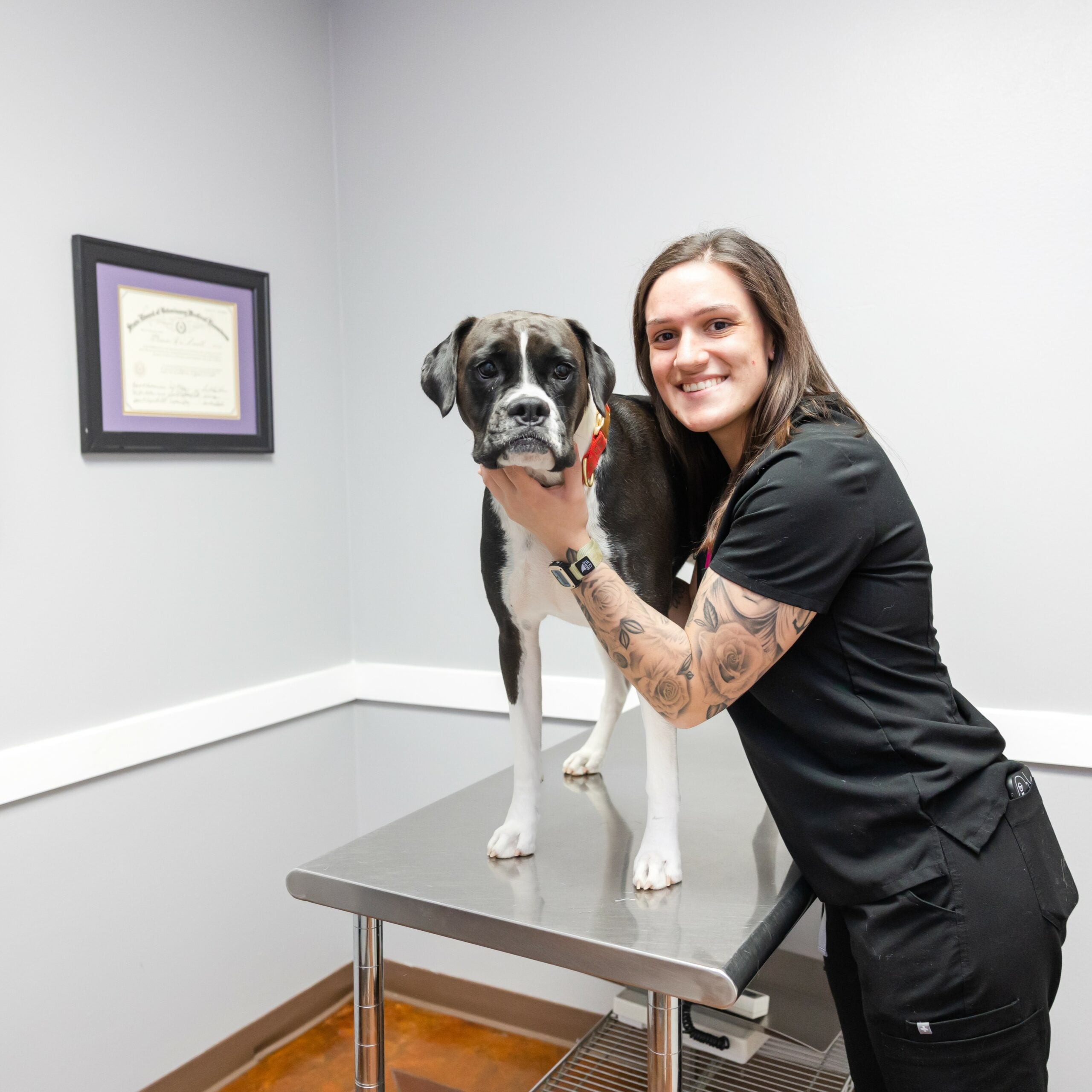
The postoperative period is where many families observe the alignment between expectation and outcome. We tell guardians that outcomes hinge on a combination of the patient’s physiological response and the care given at home. The team provides written instructions that cover incision care, activity restrictions, signs of potential complications, and a realistic expectation for return to normal behavior. Incisions are typically clean, and sutures may be dissolvable or removable depending on the case. Some pets wake with a swelling around the incision that settles within a few days. Others experience a temporary dip in activity as they rest and recover. Clear communication about pain management is essential, and the clinic often offers a follow-up call or appointment to check on progress.
To illustrate how the program operates in real life, consider a typical day at Prairieville Animal Hospital. A cat with a mild heart murmur and a middle-aged dog scheduled for neutering may require a slightly longer anesthetic protocol and a careful postoperative plan. The medical team will review both the risk and the reward: removal of reproductive organs reduces certain cancer risks and eliminates the possibility of unwanted litters, providing a longer, healthier life expectancy for many pets. For guardians, that means weighing the comfort of the pet against the small risks inherent to surgery. In practice, once the patient is stabilized postoperatively, the recovery team ensures that there is a quiet environment, warm blankets, and a steady flow of monitoring. The goal is to minimize stress for the animal while keeping a vigilant eye on the first hours after anesthesia.
Open communication with owners is a hallmark of Prairieville Animal Hospital’s approach. We encourage questions before and after the procedure. Families appreciate the chance to understand the rationale behind each step, whether it is selecting an anesthesia protocol, choosing pain medications, or deciding on the timing for suture removal. The clinic’s staff are transparent about potential risks, such as mild post-operative swelling, temporary lethargy, or occasional nausea. This candor creates trust and reduces guesswork for guardians who may not be familiar with veterinary practices. It is not unusual for a client to call with a concern after the first night home. A brief conversation can often prevent unnecessary worry and help the pet stay on track with recovery.
The spay and neuter services at Prairieville Animal Hospital are not isolated acts, but an integrated component of a broader health strategy. The clinic’s pet wellness exams are designed to complement surgical care by promoting preventive health and providing a continuum of care that starts before the procedure and extends well after the patient leaves the building. In practice, this means a careful balance between elective procedures and ongoing health maintenance. It is common to schedule a wellness visit in the weeks leading up to surgery, during which the veterinarian can review vaccination status, nutritional needs, dental health, and behavior concerns. The aim is to support not only the surgical patient but the whole animal’s well-being over time.
The logistics of scheduling and patient flow also shape the experience. There are times when the clinic handles multiple surgeries in one day, requiring a well-orchestrated coordination among reception, veterinary assistants, and the surgical team. On busier days, the clinic relies on staggered intake, ensuring that each patient receives attentive care without feeling rushed through the system. The careful pacing reduces the likelihood of preventable errors and allows the team to attend to the subtle signs of stress or discomfort that animals reveal through posture, vocalization, or appetite.
At its core, the Prairieville Animal Hospital spay and neuter protocol is built on three intertwined strands: safety, comfort, and predictability. We are not chasing a heroic narrative of speed; we pursue dependable outcomes that come with careful planning, experienced hands, and a patient-centered approach. The staff members who work behind the scenes — the ones who monitor baselines, adjust analgesia, and recheck blood values — are the quiet heartbeat of the program. Their work may not always be in the spotlight, but it is essential to the success of every procedure.
To help families navigate the process, here are two concise guides that distill essential points without sacrificing nuance. They are designed to fit naturally into conversations with a veterinary technician, a veterinarian, or a receptionist who can clarify details in the moment.

-
What to expect on the day of surgery
-
Check-in with a calm guardian and a patient who benefits from a gentle, quiet environment.
-
Preoperative assessment that matches the patient’s health status with a tailored anesthesia plan.
-
The surgical suite operates with precise timing and careful tissue handling.
-
Immediate postoperative monitoring in a warm recovery space.
-
Clear, written discharge instructions that cover activity, incision care, and signs to watch for.
-
Postoperative care at home
-
Provide a comfortable, quiet space with access to fresh water and a familiar routine.
-
Follow analgesic instructions precisely, with scheduled doses that ensure continuous pain control.
-
Monitor the incision for swelling, redness, discharge, or an unusual odor, and contact the clinic if anything concerns you.
-
Limit strenuous activity for a defined period, then gradually reintroduce exercise as advised.
-
Schedule a follow-up check if sutures are not dissolving on their own or if you notice any persistent or worsening symptoms.
The animal care continuum does not end with discharge. In many ways it is just beginning. The recovery window after spay and neuter can vary by species, temperament, and the specific technique used. Cats often recover with less visible soreness, while some dogs may show lingering stiffness or fatigue for a day or two. The team at Prairieville Animal Hospital emphasizes a conservative approach to activity, balancing the urge to return to normal routines with the body’s need to heal. It is common to see a gradual return to appetite within 24 hours, followed by a full return to regular energy levels within a week or so. Owners who maintain consistent routines, keep a watchful eye on the incision, and adhere to the post-operative plan generally report smooth animal clinic prairieville la recoveries.
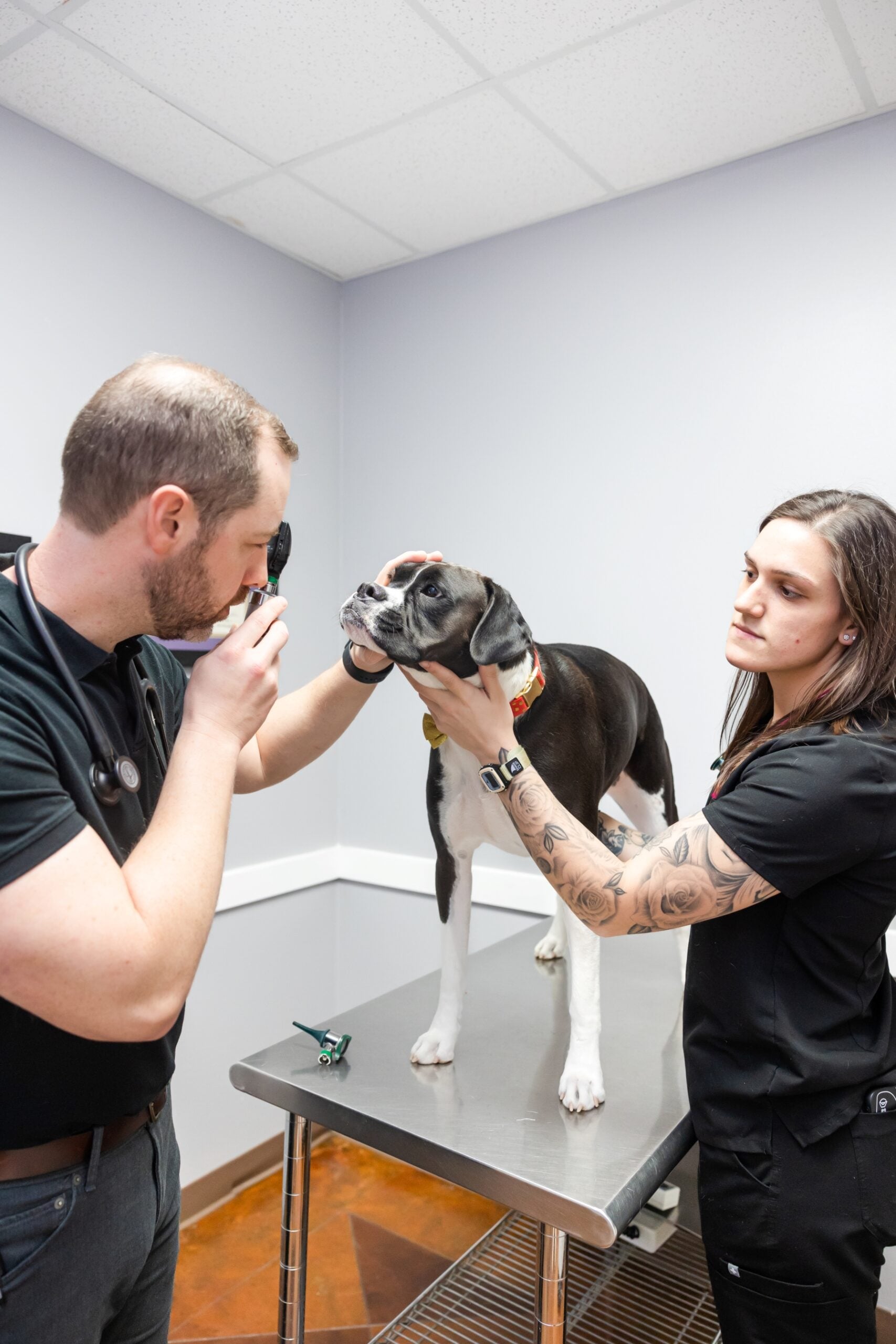
An important nuance is the role of vaccinations and preventive care in the context of spay and neuter planning. If a pet is due for vaccines or a wellness exam, scheduling those visits in proximity to surgery can be advantageous. The veterinarian can review vaccine histories, ensure there are no contraindications to anesthesia, and align preventive care with the surgical timeline. Prairieville Animal Hospital’s approach to preventive care supports a holistic view of the patient’s health. It is not merely about eliminating reproduction, but about strengthening overall wellness so that the patient enjoys a longer, healthier life.
When I reflect on the clinic’s protocols, one aspect stands out: continuous improvement. Spay and neuter work can be refined through accumulating data on outcomes, patient comfort, and owner satisfaction. Each case contributes to a growing knowledge base that informs training and procedural adjustments. The philosophy is not to chase novelty for its own sake, but to refine methods so that they consistently deliver safer anesthesia, clearer recovery, and fewer postoperative complications. It is this practical, evidence-informed stance that keeps the program honest and grounded in the realities of daily practice.
For households considering spay or neuter services at Prairieville Animal Hospital, the decision can present a mix of emotional and logistical questions. The emotional side often centers on the pet’s experience and the guardian’s responsibilities. Families want to know that the procedure is a reliable means of preventing certain health issues and reducing unwanted litters while preserving the animal’s quality of life. The logistical side involves timing, transportation, and aftercare commitments. The clinic’s front desk staff and veterinary team work together to clarify expectations, outline the steps, and ensure guardians feel empowered rather than overwhelmed. In practice, this means a candid discussion about risks, benefits, and the realities of recovery in the home environment.
Across the spectrum of cases, Prairieville Animal Hospital’s spay and neuter program demonstrates a steady balance between technical competence and compassionate care. The surgical suite is not a theater of drama but a workspace where focus, restraint, and precise actions converge to create the best possible outcomes for each patient. The recovery area is a testament to supportive care: soft lighting, comfortable bedding, controlled warmth, and vigilant monitoring. The staff confronts the unpredictable nature of medicine with a steady, measured approach, guided by years of hands-on experience and an unwavering commitment to animal welfare.
The patient’s perspective, though we cannot ask for consent in the same way we ask of guardians, is central to the care model. The surgeons and nurses at Prairieville Animal Hospital listen for the subtle signs that a patient is accepting the procedure and responding to analgesia. They adjust plans accordingly, sometimes choosing a slower pace or a longer observation period if the situation dictates. The result is a care system that feels thoughtful and responsive, rather than mechanical. Guardians notice this difference in the quiet confidence of the team, in the clarity of written instructions, and in the availability of follow-up support if questions arise after the visit.
The broader value proposition of spay and neuter programs at dedicated clinics extends beyond the individual animals treated. When communities pursue high-quality veterinary services, the level of preventive care improves across the board. Fewer emergencies related to reproduction, better disease surveillance, and more reliable vaccination schedules all contribute to a healthier populace of companion animals. Prairieville Animal Hospital understands this broader context. It informs how we communicate with clients, how we design our clinics, and how we train our staff to uphold the standards that protect animals and provide peace of mind for guardians.
In sum, Prairieville Animal Hospital’s spay and neuter protocols are built on a simple yet robust framework: prepare carefully, operate with precision, and support recovery with clear guidance and ongoing access to care. The routine is not a rigid ritual but a flexible practice adapted to each pet’s unique needs. The objective remains constant: safer surgeries, quicker recoveries, and a stronger, healthier bond between families and their companions. The road from intake to home is not glamorous, but it is where real value is created, one well-healed incision and one satisfied guardian at a time.
If you are weighing the decision to proceed, consider the practical benefits alongside the humane considerations. Spay and neuter procedures reduce the risk of certain cancers, prevent unwanted litters, and can improve behavior in some cases by reducing hormone-driven urges. They are not a panacea, but they are a cornerstone of responsible pet ownership when performed by a qualified veterinary team with a proven track record. Prairieville Animal Hospital’s protocols reflect a measured confidence earned through routine, not a bold claim about miracle cures. The result is a service that pet owners can rely on, year after year, with the reassurance that the team will treat each patient with the respect and attention they deserve.
In the end, the best way to understand Prairieville Animal Hospital’s spay and neuter protocols is to experience them through the lens of a family that has entrusted the clinic with a beloved pet. The conversation begins with questions about readiness and risk, flows through the logistics of scheduling, and culminates in a careful plan for recovery. The clinic’s response to each question is not a canned answer but a thoughtful, informed explanation grounded in practical experience. This is what sets the practice apart. It is not about a single procedure performed in isolation; it is about a system that supports animals and the people who care for them with humane care, scientific discipline, and a steady commitment to continuous improvement.