Prairieville Animal Hospital Veterinarians Answer Common Pet Health Questions
Veterinarians in Prairieville see the same kinds of concerns play out in dozens of households each week. People bring in a pup with an itchy belly, a senior cat with stiff hips, or a terrier that suddenly loses interest in his favorite toy. The conversations that follow reveal two truths that keep shaping the work at Prairieville Animal Hospital: pets show their needs in small, often overlooked ways, and good care is a blend of steady routines, clear observations, and timely interventions. This article shares insights from our team here at Prairieville Animal Hospital and aims to translate clinical experience into practical guidance you can use at home. Expect real world examples, concrete numbers when they help, and notes on the trade offs we see in everyday practice.
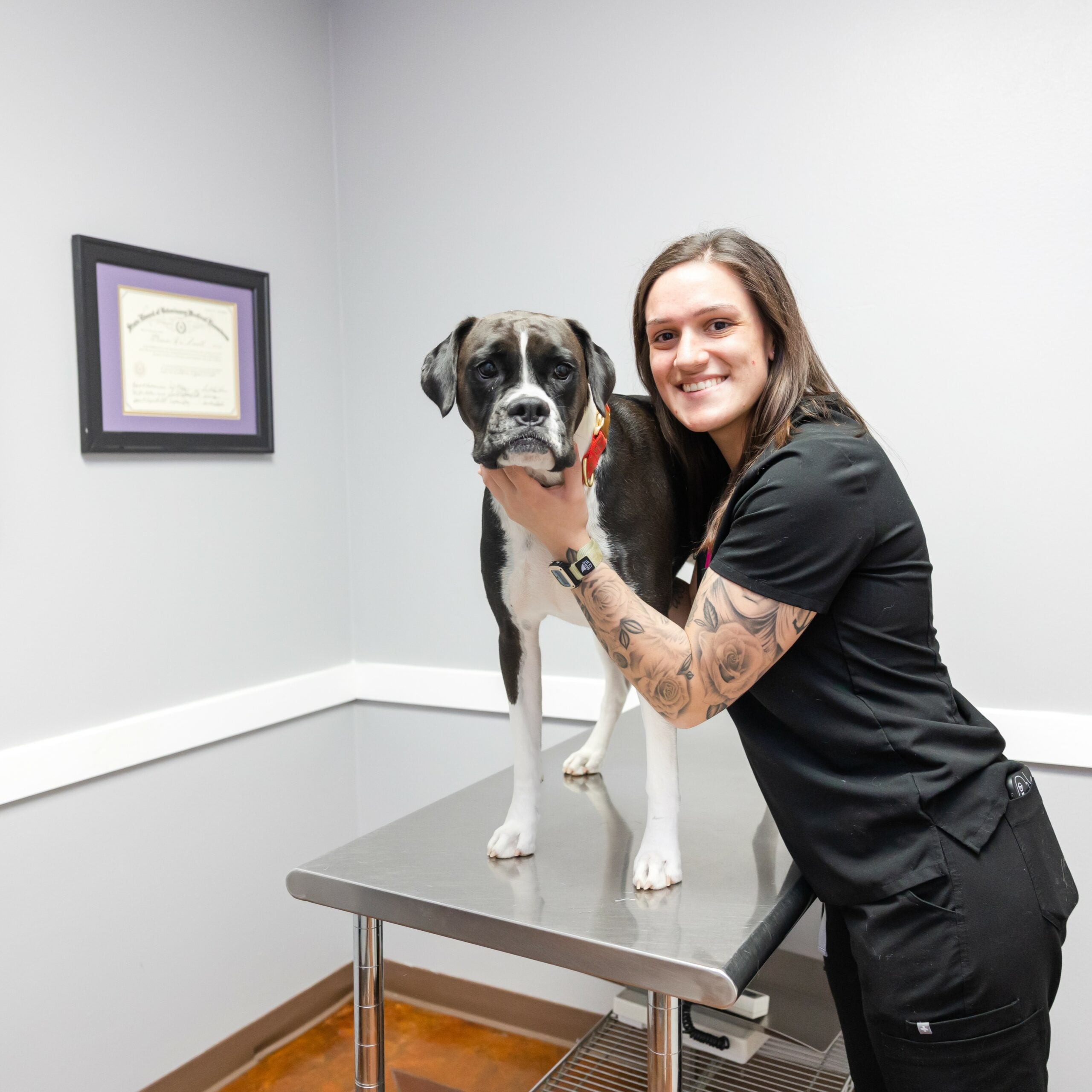
The most important part of any health plan is the relationship between you and your veterinarian. That trust is built through consistent appointments, honest conversations about what you see day to day, and a shared understanding of your pet’s lifestyle. In Prairieville, we treat dogs, cats, and a growing variety of small mammals with the same method: observe, ask questions, propose options, and support you in making a choice that fits your family.
Vaccinations and preventive care
Vaccinations stand as the backbone of preventive medicine for most companion animals. What you get at the clinic depends on age, risk, and local disease patterns, but the goal is straightforward: prevent illness, or at least soften its impact. The conversations I have with clients usually start with timing and then shift to what vaccines are doing for the animal’s life right now. A puppy’s first months are a whirlwind of socialization and rapid growth; an adult dog may be riding a long, quiet stretch, and a senior cat could be facing something as simple as a recurring ear infection that underscores the importance of regular checkups.
Understanding why we vaccinate helps reduce anxiety when a pet is due for boosters. Some vaccines are core because the diseases are widespread and potentially severe; others are risk based, chosen with your pet’s environment in mind. A key point I emphasize is that vaccines are not a one size fits all decision. We tailor schedules based on age, health status, exposure risk, and the likelihood of contact with other animals. In practice, that means a plan might look different for a dog that spends all day in a quiet home versus a dog that is boarded weekly or one that visits dog parks regularly.
The routine is predictable but never boring. We typically start puppies with a series of vaccines at eight weeks, twelve weeks, and then a booster around one year. Then we shift to an ongoing schedule that keeps immunity high without excessive exposure to vaccines. For adult dogs, we assess risk and age, sometimes maintaining a three-year booster pattern for certain core vaccines, sometimes recommending annual checks if there are changes in behavior or living arrangements. Cats follow a parallel track, with early boosters and then maintenance tailored to indoor versus outdoor exposure. The conversation about feline leukemia virus, in particular, often reveals an owner’s concern about multi-cat households and the risk landscape at local shelters or boarding facilities.
In my experience, owners appreciate when we translate the veterinarian’s language into practical takeaways. For instance, a typical puppy vaccine system might include core vaccines for distemper, adenovirus, parvovirus, and parainfluenza, plus optional vaccines for bordetella or leptospirosis depending on exposure risk. The timing matters because a pet’s immune system matures in stages; giving vaccines too early can reduce effectiveness, whereas delays can leave a window of vulnerability. We discuss possible side effects honestly, such as mild soreness at the injection site or a low fever that resolves in a day or two. Severe reactions are rare but unacceptable to ignore, which is why we review any prior medical history before administering a vaccine.
For those who want a quick framework, here is a practical outline many Prairieville clients find useful. It helps set expectations without turning the clinic visit into a guessing game:
- Core vaccines for dogs typically include protection against parvovirus, distemper, adenovirus, and parainfluenza. The schedule is designed to build immunity early and maintain it with periodic boosters as the animal ages.
- Core vaccines for cats include protection against rabies, calicivirus, rhinotracheitis, and panleukopenia, with boosters timed around the first year and then spaced according to risk.
- Rabies vaccination is both a medical requirement and a public health measure. It is administered in a way that aligns with state regulations and the animal’s exposure risk.
- Bordetella and leptospirosis vaccines are commonly discussed for dogs that frequent groomers, daycare, or dog parks, or that live in areas with known leptospira prevalence.
- We adjust schedules for senior pets or those with chronic conditions, balancing immunity with welfare and comfort.
Beyond vaccines, routine preventive care includes dental checks, weight management, parasite prevention, and fostering a routine that makes visits predictable rather than alarming. We have learned over years of practice that a predictable routine reduces stress for pets and owners alike. For some households, that means scheduling a yearly wellness exam that includes blood work for older patients, even when no specific symptoms exist. For others, it means quick, targeted visits for a vaccination update, followed by a same-day nail trim and microchip scan. The key is to maintain a consistent line of communication with your veterinarian, so you never have to guess what’s next.
Dental health: more than clean teeth
Dental care is often overlooked until a problem becomes obvious, but in truth it is a foundation stone of overall health. The mouth is a gateway; problems there can whisper up into the rest of the body through the bloodstream. A pet with chronic dental disease may experience ongoing discomfort, altered eating behavior, and ruffled sleep, while the risk of heart, liver, or kidney complications later in life is not negligible. In practice, the dental conversation often starts with a simple statement: dogs and cats deserve a mouth that feels good when they chew.
What does good dental care look like in daily life? We combine professional care with home routines. Professional care means a dental cleaning performed under anesthesia when indicated, including scaling and polishing and, if necessary, addressing any tooth that shows signs of decay or gum disease. Home care means daily brushing when possible, supplemented by dental chews or water additives designed to reduce plaque buildup between visits. The reality is that many pets resist brushing, and that’s okay. The goal is steady improvement over time, not perfection overnight.
I like to remind people that dental health is not just about preventing bad breath. It ties into appetite, energy, and even mood. A pet that eats well but has a sore mouth will show it in subtle ways, like carrying a favorite food or avoiding crunchy treats. On the flip side, a well-maintained mouth can improve overall comfort and quality of life, particularly in older pets who might otherwise associate eating with discomfort. In practice, we address dental issues with a combination of scaling, appendage care, and dietary recommendations that target tartar formation and gingival health. If a tooth cannot be saved, extraction is sometimes the most humane choice to relieve pain and prevent infection from spreading.

The realities of dental care are not glamorous, but they are manageable with a plan. It helps to have a simple routine that the whole family can support. For example, if you brush your dog’s teeth three times a week, you will make measurable progress over a few months. If your cat tolerates a daily tooth wipe or a dental rinse, that is equally valuable. We also discuss the sometimes delicate topic of diet. Some pets benefit from specialized dental diets or kibble designed to reduce plaque formation. It is not a miracle cure, but it can be a practical supplement to a broader dental strategy.
Weight management and nutrition
Weight management is one of those quiet battles that rarely makes the headlines but ends up shaping a pet’s day to day life. Obesity increases the risk of diabetes, arthritis, and cardiovascular strain, while undernutrition can leave a pet with a fragile immune system and low energy. The numbers are not abstract here. In our practice, we often use a straightforward method to gauge whether a pet is carrying healthy weight: body condition scoring. It has a scale and a few simple markers you can learn to use at home with your veterinarian. A good balance is not about chasing a number on a scale but about feeling ribs with a light touch, observing a waist when viewed from above, and noticing how the abdomen sits relative to the rib cage.
Nutrition is not just about the amount of food. It is about the quality of the calories, the timing of meals, and how the food fits a pet’s life. For instance, a highly active dog that spends weekends hiking may require more calories than a couch-bound companion who prefers a safe, quiet routine at home. We discuss portion sizes and feeding schedules with owners, and we adjust for life changes like a new puppy joining the family, a senior transition, or a recent medical diagnosis that requires a modified diet.
In practice, we approach weight management with a blend of portion control, measured activity, and, when appropriate, a move to a food that supports satiety and metabolic health. We avoid the trap of dramatic diet overhauls that can animal hospital near me provoke stress in pets and families. Instead, we favor incremental changes that add up to real progress over weeks and months. A typical plan might involve a two to four percent reduction in body weight per month for a dog or a cat, with monthly check-ins to track progress and to adjust calories or activity as needed. And we remind clients that treats count too. A single high-calorie treat can undo a day’s worth of careful portioning, so we emphasize smart, lower calorie alternatives that still satisfy a pet’s taste preferences.
Parasites and annual screenings
Parasites remain a constant concern across households, with ticks, fleas, intestinal worms, and the occasional air-borne parasite all part of the reality of keeping a pet healthy. Prevention is far more effective than treatment after the fact, but that does not mean we stop at monthly or seasonal preventives. A comprehensive plan includes parasite prevention and a yearly screening that may involve blood work or fecal testing, depending on the pet’s age, lifestyle, and risk factors. The practical aim is to catch subtle health changes early, before they become obvious or painful. A simple blood test can reveal early signs of kidney issues, thyroid concerns, or metabolic changes that would otherwise go unnoticed until a more serious problem arises.
There is a human element in these conversations that often helps owners feel more confident. We discuss the rationale behind monthly preventives, and we explain why certain tests are repeated at intervals that align with aging or changing risk profiles. The result is not only a clearer medical picture but a plan that the owner can commit to. For many families, that means a recurring appointment every six months for a senior pet, or a yearly wellness exam coupled with targeted screening for a younger animal with known risk factors.
Behavior and training: listening to your pet
Behavioral health sits at the intersection of medicine and daily life. When a pet exhibits anxiety, aggression, or social withdrawal, there is almost always a physical contributor somewhere in the background. Pain, thyroid issues, sensory decline, or simply a mismatch between training and the current environment can drive behavior that a well-meaning owner misreads as stubbornness or malice. Our job is to listen, then to help separate the symptoms from the cause and propose a plan that feels manageable.
In practice, we approach behavioral concerns with three layers. First, we assess for medical contributors. A pet that suddenly avoids stairs, shows new aggression toward a family member, or displays a marked change in appetite may be telling us something medical is changing. A quick check of a few key signs can reveal a lot: drinking patterns, urination shifts, energy levels, and a look at the mouth and teeth. Second, we work with owners on consistent routines. Sleep schedules, feeding times, and predictable training moments reduce uncertainty for pets and provide a stable platform for behavior modification. Third, we consider a targeted plan that blends training techniques with possible medical intervention. For some pets, a course of anti-anxiety medication is a bridge to better behavior while training takes effect. For others, a simple adjustment in the home environment—more vertical space, a quiet space to retreat, or a consistent cue system—produces measurable changes in a matter of weeks.
Owners who have gently practiced daily enrichment know the value of small, steady improvements. A dog who learns to settle on a mat during family meals, a cat who tolerates car rides with a familiar blanket, or a rabbit who relaxes in a carrier during a trip to the clinic—all of these moments accumulate into a pet that navigates life with more confidence. We encourage families to record a few behavior notes between visits. What triggers stress? What helps calm the pet? Are there any changes in appetite or bathroom habits that coincide with a shift in mood? These questions guide the conversation and help us tailor a plan that respects the animal’s temperament.
Senior pet health: planning for longevity
As pets age, the focus of care gradually shifts from catch-up and risk reduction to maintenance and comfort. There is a practical cadence to senior care that, once established, becomes a predictable rhythm owners can rely on. We look at three dimensions: mobility, cognition, and organ function. Mobility concerns often show up first as stiffness, slower gait, or reluctance to jump up on favorite furniture. Gait analysis, joint palpation, and sometimes referral to physical therapy or weight management become central to maintaining a good quality of life. Cognition is a trickier arena. Pets do not read a calendar or respond to a self-help guide; their aging process is measured by subtle shifts in awareness, interaction, and response to familiar cues. We approach cognition with enrichment strategies, consistent routines, and, where appropriate, diagnostic tests that help us rule out treatable causes.
Kidney and liver function warrant periodic screening once a pet crosses a certain age, even if no symptoms are evident. The goal is to catch early signs of disease before they manifest as energy loss or appetite changes. In practice, senior care often includes a combination of in-clinic checks and at-home monitoring. We discuss a plan that may involve more frequent weigh-ins, a more tailored diet, and adjustments to exercise and environmental enrichment to offset any physical limitations. It is not glamorous, but it is deeply practical. The idea is to keep pets lively and engaged well into their golden years.
When we talk about end-of-life decisions, we lean on a relationship built on trust and honest dialogue. We acknowledge that there are boundaries to what medicine can offer and balance those realities against the pet’s comfort and family values. It is not about surrender, but about choosing a compassionate course that minimizes suffering while honoring the bond between owner and animal. Our role is to guide families through those decisions with clear information, empathy, and practical options for comfort care, palliative measures, and when appropriate, humane euthanasia. The most comforting takeaway for many clients is that they do not have to face these moments alone. We are here to share the load, provide guidance, and support their choices with dignity.
Emergency readiness and what to do if something goes wrong
Pets do not schedule emergencies, and that is precisely why we emphasize readiness. A sudden vomiting episode in a small breed dog, a leg that appears half swollen after a jump, or a cat that stops eating for more than 24 hours are all scenarios that require careful assessment. Our clinic operates with a clear triage approach to determine whether immediate attention is necessary or if a same-day appointment can fit into a schedule. We walk owners through what to observe, what information to collect, and how to prepare for a potential visit. A practical tip is to have a go bag for your pet that includes a current photo, its medical history, a list of medications, and an estimate of the last known eating times. Small details like this save critical minutes during a stressful moment.
There are common misconceptions about emergency care that we try to dispel with calm, factual guidance. For example, if a pet has a minor cut, you might be tempted to rush to the emergency clinic. In many cases, a clean, controlled home treatment and a scheduled appointment with your regular veterinarian suffice. Conversely, some issues that seem minor can escalate quickly if left unchecked. If a pet is vomiting repeatedly, has a pale or gray mucous membrane color, is unresponsive, or has rapid breathing, these are signs that urgent care is warranted. In those moments, time matters and being able to describe the pattern of symptoms, when they started, and what has changed recently can dramatically affect outcomes.
Choosing Prairieville Animal Hospital as your partner
People ask what makes Prairieville Animal Hospital different, and the honest answer is a blend of climate and culture. Our veterinarians bring years of clinical experience, but what stands out is the willingness to partner with families in their own homes. We do not speak in parables but in direct, actionable terms. We share the reasoning behind decisions, present options with their trade-offs, and help you set realistic expectations. This is lived practice, not a brochure.
We understand the practical constraints of modern life. A clinic visit is a commitment of time, transportation, and sometimes child care. Our scheduling philosophy seeks to minimize friction while preserving medical integrity. We offer flexible appointment windows, clear follow-up plans, and the option to text or call with questions that arise after a visit. When something is especially urgent, we do not waste time arguing about protocols. We deploy the most reliable course of action and adjust as needed, keeping your pet’s comfort and safety at the forefront.
If you are new to Prairieville and trying to decide where to start, a simple entry point is a wellness exam that covers a broad spectrum of checks in one visit. You can expect a conversation that may include a weight assessment, a look at the mouth and coat condition, a palpation of the abdomen, and a review of the pet’s behavior and energy level. Blood work can be incorporated as a baseline for aging pets or reserved for pets that show specific signs, such as thirst changes or weight loss. A wellness visit often serves as the bridge to a longer plan that includes dental care, vaccinations, and a tailored nutrition program. The goal is to give you a practical map for the next year, with milestones and a sense of how to respond when life changes—because it does, and it does quickly.
Two practical notes to close out this discussion
First, medicine improves with every passing year, but the best outcomes still come from consistency. Regular checkups, even when nothing seems wrong, catch early issues and keep your pet feeling well for longer. Second, you do not have to do this alone. Our team offers a clear line of communication for questions, concerns, or just a quick check in after a tricky appointment. A healthy pet is built on small decisions that accumulate with time, a routine that supports both animal and owner, and a veterinary partner you trust.
A small lexicon for home care
To help you translate clinic advice into actions at home, I want to close with two compact lists. They are designed to be easy to remember and practical to implement. One focuses on vaccines and preventive care—what to track and why. The other covers home care measures that keep your pet comfortable between visits. If any item feels overwhelming, bring it up at the next appointment. We will adjust the plan to fit your lifestyle as seamlessly as possible.
-
Vaccination and preventive care cadence to keep in mind:
-
Core vaccines schedule for dogs and cats based on age and risk.
-
Rabies timing aligned with state regulations and exposure risk.
-
Optional vaccines discussed in relation to exposure, environment, and lifestyle.
-
Annual or semi annual wellness checks as a baseline for older pets.
-
Bloodwork or targeted tests timed to detect early disease in senior pets.
-
Home care practices that make a tangible difference:
-
Regular dental hygiene routines and periodic professional cleanings when indicated.
-
Consistent weight monitoring and portion control aligned with activity level.
-
Behavioral enrichment and predictable routines that reduce stress.
-
Routine parasite prevention and a yearly parasite risk assessment.
-
Documentation of changes in appetite, energy, or bathroom habits between visits.
In Praxis, the guiding thread is simple: we aim to help you do the best for your pet with practical advice, clear plans, and ongoing support. Prairieville Animal Hospital veterinarian teams bring a depth of experience across routine care, surgical planning, and compassionate end of life decisions. We listen first, then outline the options, and finally help you choose a path that respects your values and your pets’ welfare. If you are seeking a partner that will stand with you as your pet ages, faces new medical challenges, or navigates everyday life with joy and resilience, our doors are open. You can learn more about our services at prairievilleanimalhospital.com or call us to schedule a visit. Our aim is to be the steady presence that turns a good day for a pet into a great day for the whole family.