Affordable Vet Services at prairievilleanimalhospital.com: A Quick Overview
A neighborhood clinic that takes the load off a tense moment is a scarce find. Prairieville Animal Hospital has built a practical balance between care quality and reasonable pricing, especially for families juggling budgets, urgent needs, and routine maintenance for their pets. The stories I’ve heard from clients there aren’t about dramatic breakthroughs in medicine alone. They’re about predictable care that keeps a family’s routine intact without sacrificing the animal’s well being. It’s about knowing where to turn when a dog needs vaccines, a cat requires dental care, or a senior pet needs more attentive monitoring, all without the sticker shock that often accompanies veterinary visits.
This article aims to map out what affordable care looks like in a real world clinic setting. It’s not about gimmicks or feel good slogans. It’s about concrete services, transparent pricing, and the practical choices pet owners actually make when they balance the bank account with the health of a beloved companion. If you’re scanning for options near Prairieville, or you’ve seen prairievilleanimalhospital.com in a search while looking for an animal clinic near me, you’ll recognize patterns here. The goal is to translate the financial and medical realities into actionable decisions for families who want solid medical care without paying a premium for the name on the storefront.
The economics of veterinary care is a delicate mix of fixed costs, variable costs, and the real needs of animals. A clinic must cover the expense of a well equipped exam room, lab capabilities, imaging equipment, medications, and staff who can interpret results and teach owners how to care for pets at home. At the same time, a practice can differentiate itself by prioritizing preventive care, clear pricing, friendly reminders, and transparent communication. The right balance is not about the cheapest possible care, but about predictable costs, reliable access, and outcomes that meet or exceed expectations for pets at different life stages. In my experience, the most meaningful affordable options are those that keep you out of crisis mode without compromising health.
A practical framework helps. Start with preventive care, because it is the most cost effective pathway to keeping a pet healthy over time. Then consider vaccination, dental services, and routine diagnostics as a bundled approach. When problems arise, a well run clinic will present options with clear estimates and trade offs. This is how affordable vet services become sustainable for families, not a one off discount chase that leaves gaps in care.
What counts as affordable care can look different depending on whether you own a puppy, a senior dog, a shy cat, or a high energy mixed breed. It’s also about how a clinic structures its pricing and what it includes. Some clinics offer a la carte services with rising costs for diagnostics, while others bundle essential care into wellness plans. At Prairieville Animal Hospital the emphasis is often on predictable cost and practical value. Let’s explore what that means in everyday terms, including the services families lean on most.
A note on the patient side of things. People come into the clinic with different levels of knowledge about veterinary medicine. Some know the language and ask precise questions, others rely on the team to guide them through what is needed now and what can wait until later. A patient centric practice will welcome questions, provide written estimates, and help owners understand the steps involved in care. It also helps when a clinic is comfortable providing care that respects the budget and still delivers real benefits for animal health. That combination of empathy, clarity, and competence is what separates a good affordable option from something less reliable.
Core services you’ll find in a value minded practice
In a typical veterinary practice that aims to balance quality and cost, certain core services form the backbone of affordable care. These are the things people return for year after year because they know the value is real. You’ll often see them offered with transparent pricing, and sometimes included in preventive care packages or senior pet care plans.
- Routine examinations and wellness checks
- Core vaccinations and rechecks
- Preventive care packages including parasite control
- Dental care basics and at home dental hygiene guidance
- Nutritional counseling tied to evidence based guidelines
What you’ll notice in practice is that these are not one off transactions. They are the framework for healthier pets whose owners understand what’s happening and why. A routine exam is more than a stamp on a chart. It’s a chance to catch subtle changes in a pet’s behavior, appetite, or gait before they escalate into something requiring expensive intervention. A well run clinic will provide a focused exam, mechanical checks like temperature, heart rate, and a careful ear to chest listen. You’ll also often find that vaccines are not simply administered, but placed within a plan that considers the animal’s exposure risk, travel needs, and lifestyle.
A practical note about costs. You’ll see ranges rather than exact numbers in a lot of clinics because pricing can vary by region, by the complexity of the case, and by whether the practice includes certain consumables in a bundle. When you’re evaluating affordability, look for whether the price includes the basic exam, the vaccines, and any recommended follow up. If a clinic can provide a price for a simple package that covers vaccines and a basic wellness exam, you’ll have a baseline to compare with other providers. Then you can decide what level of emergency vet prairieville preventive care is most appropriate for your pet.
Preventive pet care as a value driver
Preventive care is the clear anchor of affordable services. The logic goes like this: a well planned check up with routine vaccines, parasite control, and weight management education reduces the odds of costly medical emergencies down the line. The cost savings aren’t always dramatic in the short term, but over months and years, they add up. A good preventive plan can lower the likelihood of disease progression, reduce urgent visits, and keep a household on a steady budget.
In practice, preventive care at a clinic like Prairieville Animal Hospital often unfolds in a series of steps that build into a predictable cadence. The first is a baseline wellness visit for a puppy or kitten, which includes a physical exam, age appropriate vaccines, and a parasite screening. For adult pets, the same baseline check is paired with a discussion about weight, dental health, and environmental risks. Senior pets typically receive more frequent monitoring, sometimes with tailored laboratory work to catch early signs of organ dysfunction or metabolic issues. The point is to map a plan that matches a pet’s life stage with reasonable expectations for cost and benefit.
The day to day experience of preventive care is less dramatic than you might think. It lives in quiet conversations: how to curb a dog’s appetite without triggering a binge, how to adjust a cat’s diet as activity levels wane, the importance of dental hygiene in a pet that can be stubborn about brushing. These conversations are not about selling products; they’re about aligning routine practices with long term outcomes. A clinic that treats preventive care as a core service will build a relationship with families, one appointment at a time, rather than chasing episodic revenue from crisis care.
Senior pet care as a distinct subset of affordability
When you walk into the door with a 12 year old terrier or a 14 year old tabby, the calculus changes. Senior pets require closer monitoring, more frequent diagnostics, and careful nutrient management. The cost can rise because more frequent rechecks, blood work, and adjustments to medications are often necessary. The value proposition comes from predictable care that recognizes the realities of aging, paired with a plan that avoids the emergency room where possible.
An experienced clinic will approach senior pet care with a practical mindset. It starts with a re-evaluation of the pet’s lifestyle and a re-calibration of the preventive plan. Routine blood work may be recommended to screen for kidney function, liver enzymes, or blood sugar levels. The results aren’t just numbers; they guide adjustments to diet, exercise, and medication. In this context affordability is less about cutting corners and more about optimizing a care plan so that a senior animal remains comfortable and engaged for as long as possible.
This is where you begin to notice the difference between a high volume facility and a clinic that is slower paced but thorough. A clinic that keeps costs reasonable for seniors will typically offer a menu of tested, cost effective tests that provide meaningful information. They’ll discuss the implications of results in plain language and present options for treatment. You’ll leave with a sense of what to expect in the near term and in the months ahead, and you’ll know that the plan accounts for quality of life as a guiding principle.
Pet boarding as a component of cost efficiency
Pet boarding can be a surprise entrant in a discussion about affordability, yet it matters for households balancing care with scheduling, travel, or work commitments. A veterinary practice that offers boarding often does so with attention to comfort, safety, and reasonable daily rates. For many families, using the same facility for both medical care and boarding reduces fragmentation. You know the staff, you trust the protocols, and you can count on consistency in how your pet is handled during times when you cannot be there in person.
The practical benefits tend to surface in a few concrete ways. First, there is the continuity of oversight; a pet in boarding at a familiar clinic is seen by people who already know their medical history. Second, you get peace of mind in the event of a mild health issue that requires a quick check or a dose adjustment. Third, there is efficiency in scheduling and billing; you’re managing a single account rather than juggling multiple providers. If the clinic also keeps the boarding environment clean, comfortable, and well supervised, the perceived value increases, and the overall cost of care for the pet remains reasonable because there is less risk of last minute veterinary interventions caused by a poorly managed boarding situation.
What counts as reasonable pricing in a local clinic
Pricing is not a single number. It’s a matrix of services and the scenarios in which you use them. A good local clinic will publish price ranges or provide estimates before services are performed. They will also be transparent about what is included in each price point. It helps to understand how the clinic structures its offerings. Do vaccines come with a basic exam? Is a senior blood panel discounted if you are enrolled in a preventive care plan? Are dental cleanings bundled with anesthesia, or billed separately?

One practical way to approach this is to ask for a written estimate when you’re planning a visit for something routine, even if you think you know what will happen. If you’re not sure whether you need a physical exam this year, request the exam fee and the costs of vaccines and parasite preventives. If there is a wellness package, ask for the exact items included and the per item cost if you opt out of one element. This kind of upfront clarity prevents sticker shock after the visit and allows you to plan for future needs.
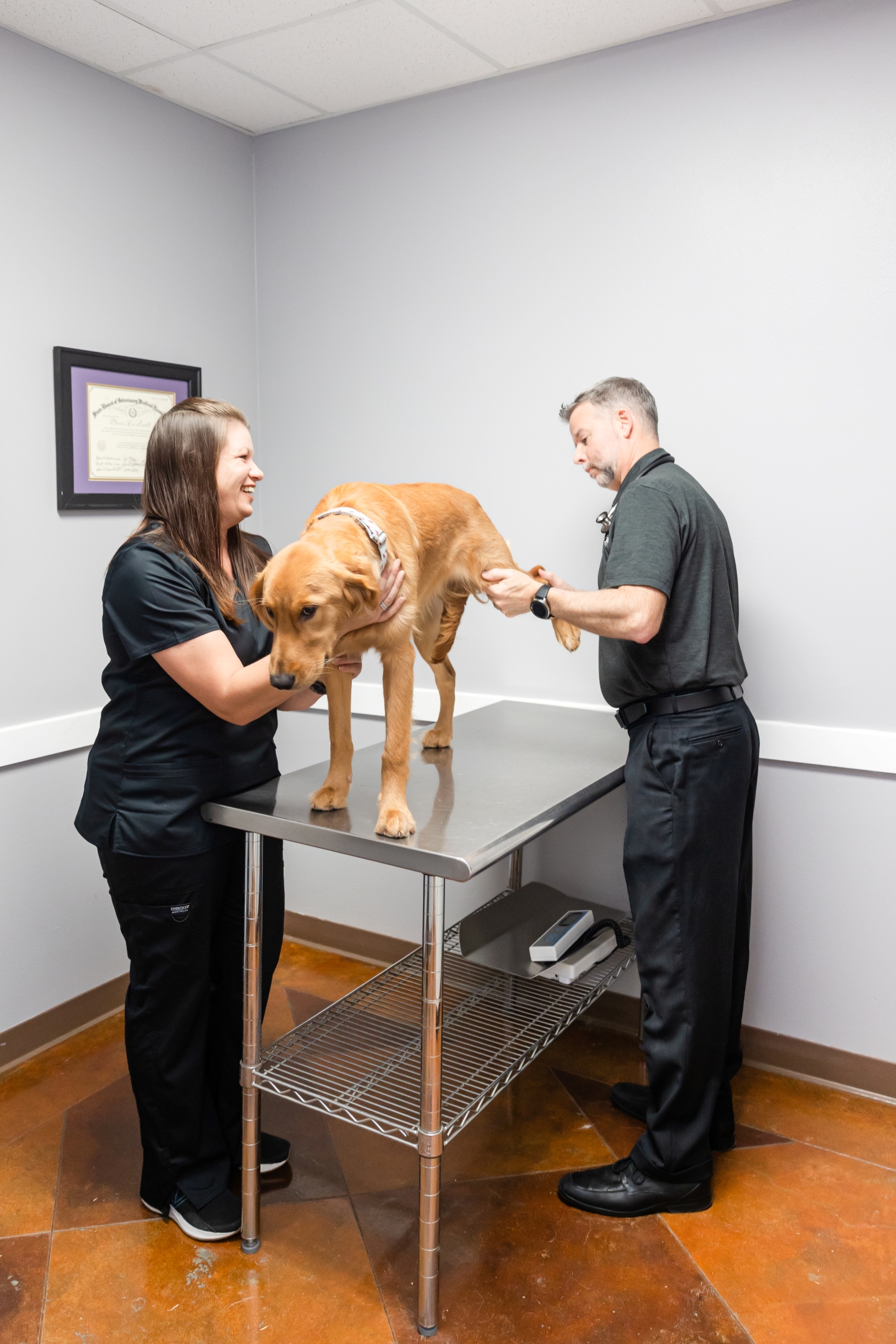
Two lists that illustrate practical affordability in a typical practice
- Core services that consistently hold value in a budget minded clinic
- Practical steps to maximize value when planning care
Two lists allow you to scan the essentials quickly, while the prose around them keeps the narrative grounded in real world practice. The aim is to present the two streams of thought without overwhelming the reader with a dense bullet parade.
How to maximize value when you plan care
In my years of watching families navigate care for multiple pets, I’ve learned a few techniques that reliably reduce costs without compromising outcomes. These are not hacks, but rather well considered habits that many clients adopt instinctively after a few visits.
First, align preventive care with your pet’s life stage. Puppies and kittens require a different cadence than adult animals, and seniors demand more frequent touchpoints. If you treat preventive care as a yearly artifact rather than a living schedule, you will pay a price later. When you know where your pet stands in terms of age and risk, you can budget accordingly and avoid the scramble when a sudden illness appears.
Second, treat dental health as a continuous priority rather than an episodic event. Dental disease is common and expensive to treat if neglected. Regular brushing, dental chews, and routine professional cleanings arranged in advance create a dentally healthy trajectory for most pets. The rewards are not only in fresher breath; they include reduced risk of systemic issues that come from chronic dental bacteria.
Third, build a collaboration with your veterinarian. A good relationship pays off in better advice and fewer missteps. You learn which vaccines your pet actually needs given their exposure risk, geography, and lifestyle. You also gain a partner who can help you identify which tests are essential today and which can wait until a future appointment.
Fourth, keep a simple record at home. A folder with vaccines, medications, and recent test results can save the day during a busy week. You’ll be able to tell the clinic what has already been done if your memory is foggy after a long day. This is especially true for pet boarding events, where timely information about vaccines, parasite control, and recent illnesses matters.
Fifth, consider bundled care when available. Many clinics offer preventive care packages that combine routine exams, vaccines, parasite control, and dietary counseling at a predictable price. If a package aligns with your pet’s needs, it can be a strong value proposition. If you don’t need every element, you can negotiate or select a lighter version, but the overarching idea remains worth pursuing.
What to ask when pricing or evaluating care
A few targeted questions cut through the noise and give you a realistic sense of affordability and value. The first question is always, what is included in the price? A lot of confusion comes from pricing that sounds low until you learn there are extra charges for anesthesia, labs, or medications. The second question should be, what are the recommended follow ups, and what are the estimated costs for those follow ups? It prevents surprise bills and helps you plan for a pet that may need ongoing care.
A third question is about payment options. Do they accept flexible payment plans, veterinary credit, or discount programs for senior citizens, students, or military families? If you have a routine needs scenario, ask about wellness plans or preventive care packages that spread the cost across a year. Fourth, ask about what happens if your pet needs urgent care after hours. Do they have an on call number or a trusted partner clinic? Knowing in advance reduces anxiety when a crisis arises.
Real world scenarios and practical numbers
To bring the ideas to life, imagine a few typical cases that are common in a mid sized community practice. These illustrate how affordability plays out and how a practice can guide you toward practical decisions.
- A 2 year old medium sized dog requires a routine wellness exam and vaccines. The baseline cost for the visit includes the examination, vaccines appropriate for the age, and a basic parasite screen. If the clinic uses preventive care packages, you may see a combined price that’s lower than purchasing items separately. For a family on a modest budget, this is where the value becomes tangible because you know the upcoming year is covered by predictable costs rather than a series of small, unexpected charges.
- A 9 year old cat presents with mild dental signs and a plan to do a dental cleaning pending the cat tolerates the procedure. The clinic offers a staged approach: pre-anesthetic evaluation, anesthesia with careful monitoring, the cleaning itself, and a post care plan. You’ll have a clear estimate that breaks down the steps, with an option to proceed incrementally if the pet’s stress level or the owner’s budget requires it. The key is understanding that aging cats often require additional monitoring, and the clinic’s readiness to work with you in a staged, affordable way makes a big difference.
- A senior dog with a suspected kidney issue comes in for a blood panel and a recheck of medications. The test results guide a tailored plan for diet and therapy. If the clinic offers a preventive care or senior pet plan, you’ll see how ongoing monitoring becomes predictable rather than a mystery every few months. The advantage is steady access to care without forcing a crisis moment into your calendar.
- A family traveling to visit relatives needs boarding for a week. If the clinic provides boarding with medical oversight, you can coordinate vaccines and health checks to minimize risk while you are away. The cost remains within a reasonable envelope, and you know the staff who understands your pet’s medical history will be supervising the stay. The continuity reduces the chance of a late night emergency caused by a change in routine.
A note on choosing in practice
Choosing a clinic is as much about the human system as the medical one. You want a place where the team communicates clearly, where the pricing is transparent, and where the schedule fits your life. The best affordable vet services come from a clinic that treats preventive care as a partnership with you, not a sales pitch for the next service. You want staff who will explain what they’re doing in a way that respects your time and your pet. You want an environment that is clean, well organized, and patient friendly, with a willingness to adjust the approach when a pet is anxious or resistant to handling.
In my experience, Prairieville Animal Hospital stands out for the practical ways it frames affordability without diluting care. The conversations tend to emphasize what is medically necessary now and what can be reasonably spaced out. There is an emphasis on prevention, not just treatment, and that distinction matters when you are building a long term relationship with a pet and a family.
The path forward for families seeking affordable care
If you are trying to balance the budget against a pet’s health needs, start with a simple audit of your immediate priorities. Do you need vaccines this year? A senior pet check? A dental cleaning? Then map those needs to a preventive care plan that the clinic can support with clear pricing. You can compare this to a couple of other local options, but the value of a clinic you trust often lies in the reliability of its estimates, the clarity of its communication, and the consistency of its care across routine and urgent visits.
A practical takeaway is to treat veterinary care like a regular household service with a predictable schedule. The cost per visit should be manageable when spread across the year, and the results should show up as fewer emergencies and more stable health for your pets. If you find a clinic that aligns with this approach without sacrificing medical rigor, that is the space where affordable vet services truly live.
As you walk through the door or scroll prairievilleanimalhospital.com for more information, you should feel that you’re stepping into a place that respects your time, your budget, and your pet. It isn’t about gimmicks; it is about a consistent approach to preventive care and practical treatment that keeps a family moving forward. It is about delivering reliable, compassionate care at a cost that makes sense in the real world.
Finally, the right partner for affordable care understands a simple truth. A healthy pet is one that experiences less stress, fewer urgent visits, and more comfortable days at home with the people who love them. When you find a clinic that approaches care in this way, you are not just paying for a service. You are investing in a relationship that keeps both animal and owner confident that the path ahead is clear and sustainable.